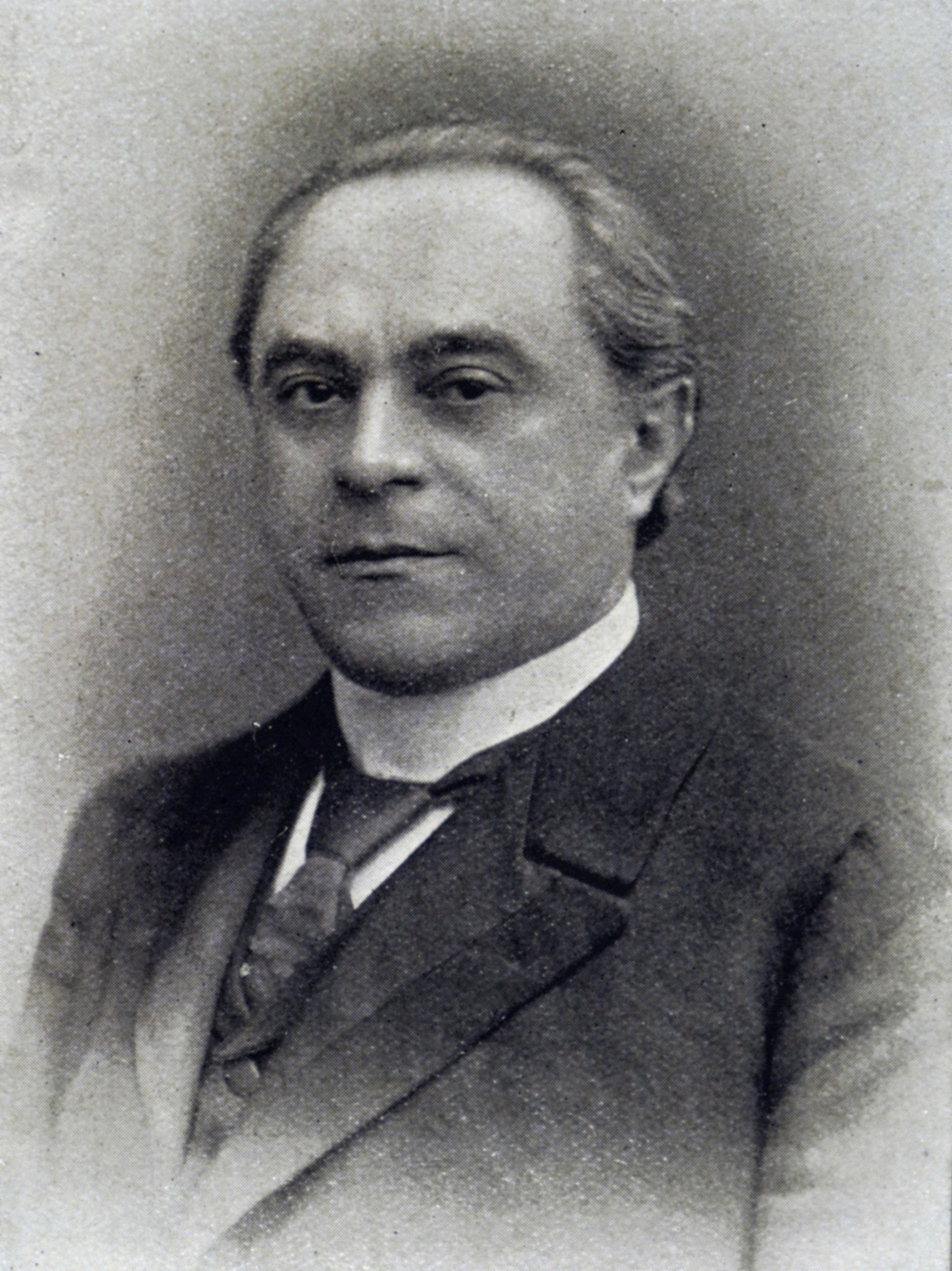
 Vladimir de Pachmann (July 27, 1848 – January 6, 1933) was a celebrated Russian-born pianist renowned internationally for his poetic interpretations of
Frédéric Chopin, as well as his colorful and flamboyant stage persona.
Vladimir de Pachmann (July 27, 1848 – January 6, 1933) was a celebrated Russian-born pianist renowned internationally for his poetic interpretations of
Frédéric Chopin, as well as his colorful and flamboyant stage persona.Queer Places:
Cimitero Comunale Monumentale Campo Verano, Piazzale del Verano 1, Rome, Città Metropolitana di Roma Capitale, Lazio Italy
Vladimir de Pachmann (July 27, 1848 – January 6, 1933) was a celebrated Russian-born pianist renowned internationally for his poetic interpretations of
Frédéric Chopin, as well as his colorful and flamboyant stage persona.
Born in Odessa, Russian Empire, Pachmann was the son of a law professor and amateur violinist who provided his earliest music training. He completed his formal studies at the Vienna Conservatory under Josef Dachs and Anton Bruckner, graduating with a Gold Medal in 1868.
Despite a successful debut in 1869, Pachmann was intensely self-critical and withdrew from concertizing twice for extended periods of quiet study—once for eight years and later for two years—to refine his technique and tonal palette. When he returned to the international stage in the 1880s, his fame exploded across Europe and the United States.
In 1884, he married his Australian-born student, pianist Annie Louisa Margaret (Maggie) Okey. The couple toured together and had three sons before their divorce in 1895. Pachmann later spent much of his time in Italy, becoming an Italian citizen in 1928 and remaining in Rome until his death in 1933.
Pachmann specialized almost exclusively in the miniaturist repertoire of Chopin. Known for an exceptionally delicate, velvety pianissimo, he prioritized shade, nuance, and emotional color over raw power.
On stage, however, he was as famous for his theatrical behavior as for his playing:
He regularly talked to listeners while playing, muttering critiques of his own performance or exclaiming "Bravo!" after a well-executed passage.
He frequently brought precious gems to recitals, holding up diamonds and rubies to the audience to demonstrate that his piano tone possessed "even more color" than the jewels.
Critics like James Huneker famously nicknamed him the "Chopinzee" due to his facial contortions and theatrical routines with his piano bench.
Pachmann’s life and legacy intersect with 19th- and early 20th-century LGBTQ history through both contemporary perceptions of his art and his personal relationships:
The observations made by music teacher George Halprin reflect a common 19th- and 20th-century critical frame connecting gender fluidity, delicacy, and homosexuality with Chopin's music:
"He played Chopin as only a woman of genius could play Chopin. And perhaps only a homosexual man could have played him so exquisitely... Chopin was a man with a woman's genius. De Pachmann's essence was charm... poignant charm, anguished charm, melancholy charm. Even tragic charm was not a paradox under de Pachmann's hands."
To contemporary observers, Pachmann’s focus on exquisite intimacy, visual glamour, and emotional delicacy challenged rigid turn-of-the-century norms of masculinity. In many musical circles, his overtly expressive performance style was directly linked to a queer sensibility.
In addition to contemporary commentary regarding his sexuality, Pachmann's later life was defined by his close bond with his longtime companion and secretary, Francesco Pallottelli. Pallottelli managed Pachmann’s affairs, lived alongside him in Rome during his final decades, and authored early biographical works preserving Pachmann's legacy. Modern music scholars and LGBTQ historians—notably Mark Mitchell in his biography Vladimir de Pachmann: A Piano Virtuoso's Life and Art—have explored Pachmann's place within early 20th-century queer musical culture.
Vladimir de Pachmann is buried in the Campo Verano (Cimitero del Verano) in Rome, Italy.
References:
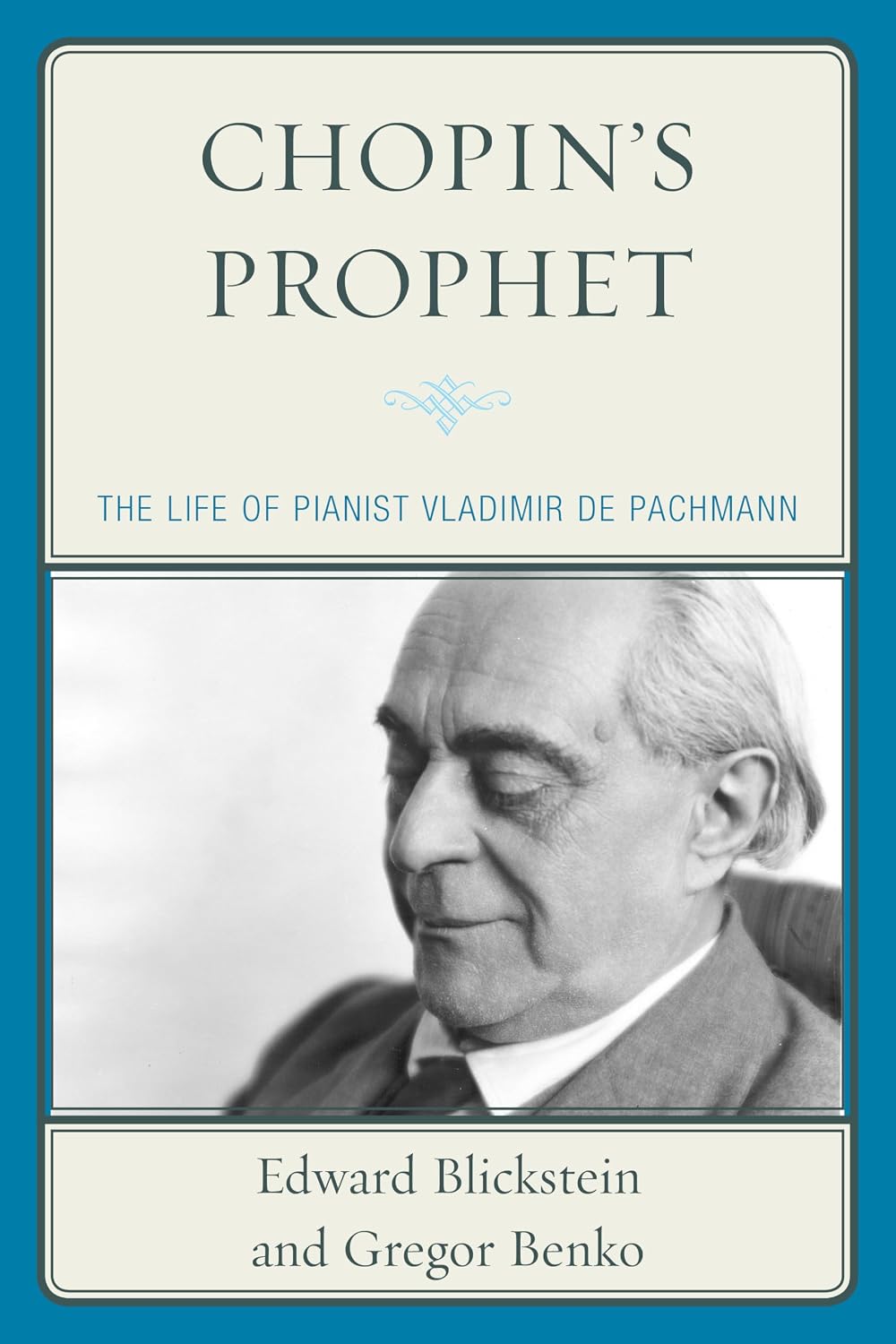 Chopin's Prophet: The Life of Pianist Vladimir de Pachmann by Edward Blickstein |
 Vladimir de Pachmann: A Piano Virtuoso's Life and Art by Mark Mitchell |
Other references:
Support this project
This website is a passion project researched, developed, and funded entirely by me. If you find the content valuable and would like to help support the ongoing research and hosting costs, any contribution is deeply appreciated.
Thank you for keeping this independent resource alive!
My books on Amazon: Elisa Rolle's books