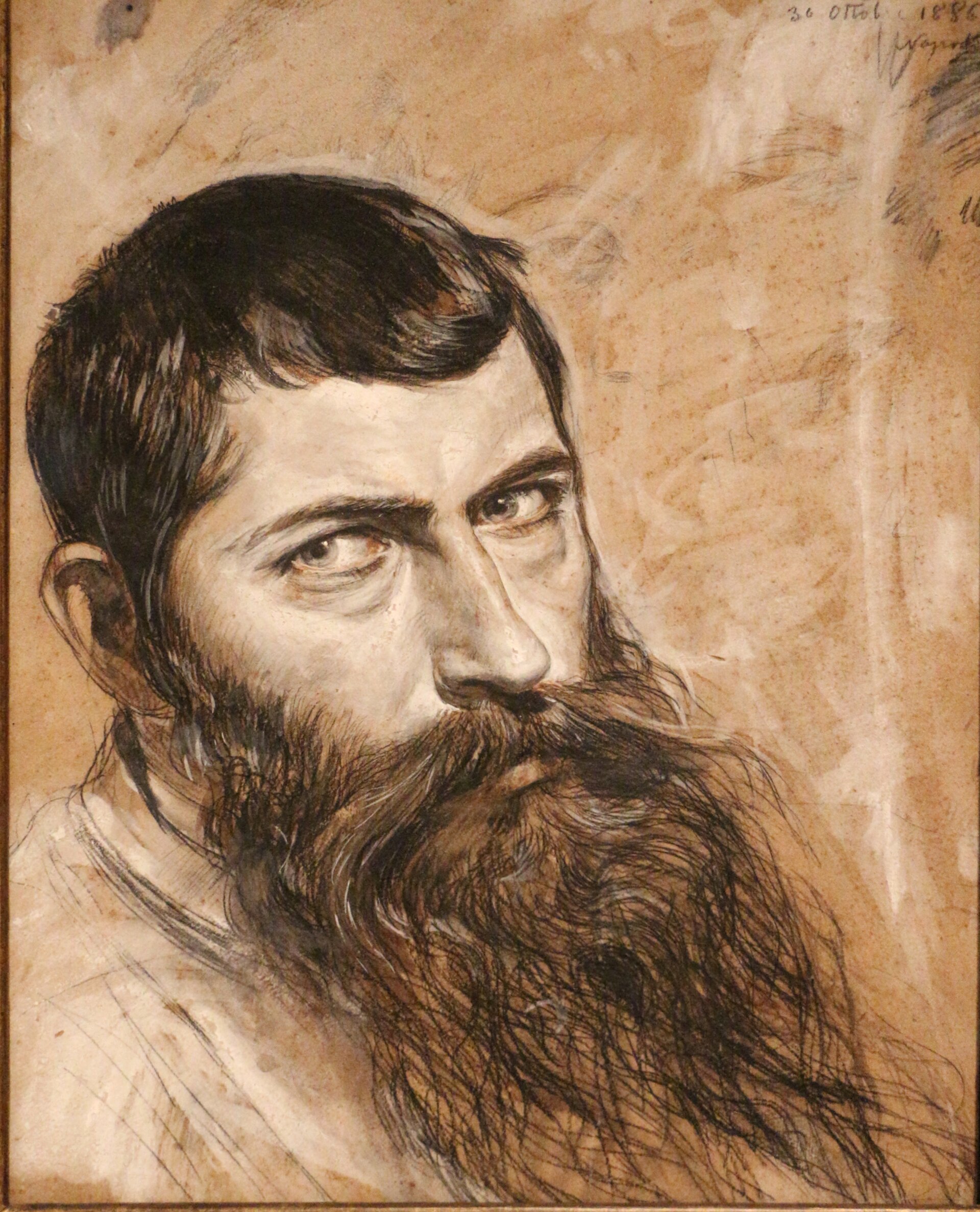
 Vincenzo Gemito (July 16, 1852 – March 1, 1929) was a celebrated Italian sculptor, draftsman, and goldsmith.
Queer Places:
Cimitero Monumentale di Poggioreale, V. Santa Maria del Pianto, 80143 Napoli NA
Vincenzo Gemito (July 16, 1852 – March 1, 1929) was a celebrated Italian sculptor, draftsman, and goldsmith.
Born in Naples under difficult circumstances—he was abandoned at birth and placed in an orphanage before being adopted by a working-class family—Gemito grew up immersed in the vibrant, gritty street culture of Naples' historical center.
Largely self-taught and intensely resistant to rigid academic standards, Gemito developed a hyper-realistic, expressive style that captured raw human emotion and everyday life. Some of his most famous masterpieces include Il Malatiello (1870), Il pescatore napoletano (The Neapolitan Fisherboy, 1877), and his portrait of the painter Jean-Louis-Ernest Meissonier.
Despite his immense artistic brilliance, Gemito suffered from severe psychological instability throughout his life. Tormented by inner demons, bouts of paranoia, and immense internal conflicts regarding his identity and sexuality, he suffered a profound mental breakdown in the late 1880s. This led to a self-imposed reclusion and decades of intermittent confinement in a psychiatric asylum. By 1909, he slowly re-emerged into society and returned to his art, spending his final decades focusing heavily on intricate drawings and goldsmithing until his death in Naples in 1929.
The excerpt highlights a fascinating intersection between Gemito's later life, queer history, and elite artistic patronage through the eccentric French aristocrat, poet, and novelist Baron Jacques d'Adelswärd-Fersen.
Fersen, who lived in self-imposed exile on the island of Capri at his famous neoclassical sanctuary Villa Lysis, was an open advocate for aestheticism and male-male romantic love.
Fersen's primary companion and muse was Nino Cesarini (born Antonio Cesarini), a working-class Roman youth whose classic, classical-profile beauty made him a sought-after model for several European artists depicting omoerotic and neoclassical themes.
Fersen commissioned portraits of Cesarini from Gemito during the sculptor's post-asylum resurgence. For Gemito—who had wrestled deeply with his own repressed desires and psychological turmoil linked to his sexuality—rendering the unclad male form allowed him to lean into his favorite artistic subject matter. These works served as a bridge between high symbolist/aesthetic patronage and the raw, naturalistic mastery that defined Gemito's lifelong career.
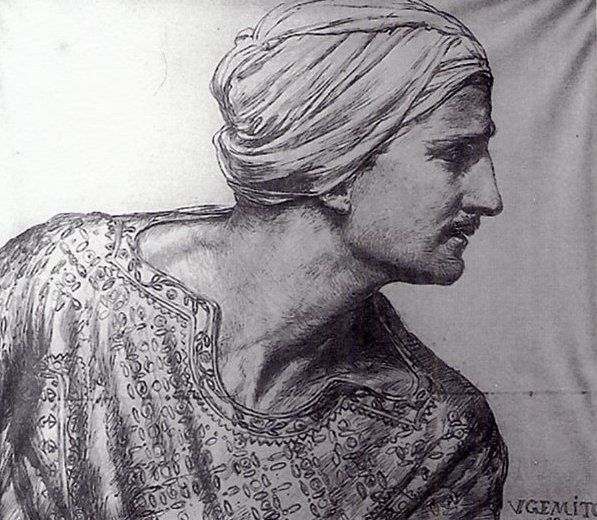
Ritratto di Nino Cesarini in vesti orientali di Vincenzo Gemito (Collezione Maesano - 1914)
References:
Other references:
Support this project
This website is a passion project researched, developed, and funded entirely by me. If you find the content valuable and would like to help support the ongoing research and hosting costs, any contribution is deeply appreciated.
Thank you for keeping this independent resource alive!
My books on Amazon: Elisa Rolle's books

