Partner Rebecca Cox Jackson
Queer Places:
Shaker Cemetery, 124 Heritage Ln, Albany, NY 12205, United States
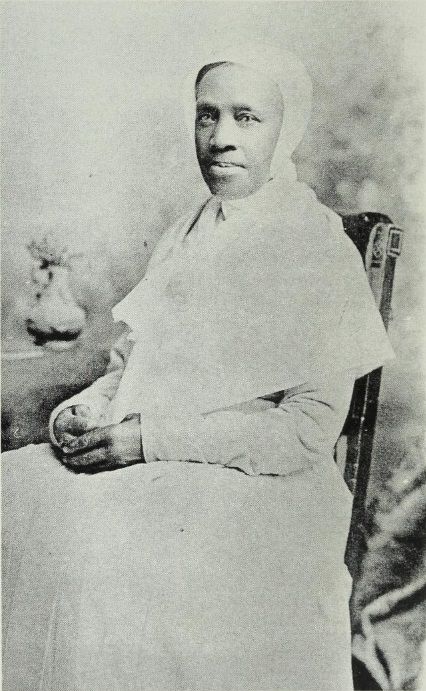 Rebecca Perot (July 10, 1818 – January 6, 1901, later known as Rebecca Jackson, Jr.) was a 19th-century African American Shaker leader whose life, spiritual partnership, and same-sex
devotion played a foundational role in the history of Black religious self-determination and LGBTQ+ history in the United States.
Rebecca Perot (July 10, 1818 – January 6, 1901, later known as Rebecca Jackson, Jr.) was a 19th-century African American Shaker leader whose life, spiritual partnership, and same-sex
devotion played a foundational role in the history of Black religious self-determination and LGBTQ+ history in the United States.
After Rebecca Cox Jackson renounced her marriage due to patriarchal restrictions within the African Methodist Episcopal
(AME) Church, she met Rebecca Perot. The two formed a lifelong, intimate union that lasted over 35 years until Jackson’s death in 1871.
Through mystical visions recorded in Jackson's journals, the pair underwent a spiritual marriage ceremony, "uniting in the covenant." Perot experienced visions of her
own, including seeing Jackson crowned "King" and herself crowned "Queen of Africa."
Seeking a community where female spiritual authority was recognized, Perot and Jackson joined the predominantly white Watervliet Shaker community in New York. However,
encountering racial discrimination and marginalization within the community, they ultimately chose to leave.
Returning to Philadelphia in 1859, Jackson and Perot co-founded an independent, predominantly female Black Shaker settlement. Jackson served as Eldress and minister,
establishing a safe sanctuary for Black women's religious expression and autonomy.
Following Jackson's death in 1871, Rebecca Perot assumed leadership of the Philadelphia Shaker community. In an act of profound devotion and spiritual succession, she
took the name Rebecca Jackson, Jr. Under her leadership, the community survived for another 40 years.
"Perhaps had she been born in the modern age she would have been a lesbian." — Jean Humez, Editor of Gifts of Power: The Writings of Rebecca Cox Jackson
The partnership between Rebecca Perot and Rebecca Jackson represents one of the earliest documented romantic and spiritual partnerships between two Black women in
19th-century American history.
Jackson's recorded visions frequently detail deep emotional and sensual imagery involving Perot, such as visions of Perot bathing in a river looking "pure and clean"
like an angel.
By taking Jackson's full name after her death, Perot engaged in a practice similar to familial or marital naming conventions, preserving Jackson's spiritual lineage
while asserting her own authority as leader.
Both women rejected traditional 19th-century marital structures, choosing instead a self-sustaining, woman-centered religious life that combined spiritual leadership,
racial autonomy, and same-sex devotion.
References:
Other references:
- https://qspirit.net/two-rebeccas-queer-black-shaker/
- https://www.pbs.org/video/how-two-free-black-women-upended-the-religious-establishment-bw0eyv/
- https://home.shakerheritage.org/mother_rebecca/
Support this project
This website is a passion project researched, developed, and funded entirely by me. If you find the content valuable and would like to help support the ongoing research and hosting costs, any contribution is deeply appreciated.
Thank you for keeping this independent resource alive!
My books on Amazon: Elisa Rolle's books
BACK TO HOME PAGE
