Queer Places:
Woodstock, VT 05091, United States
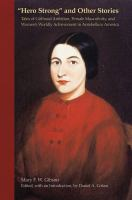 Mary F. W. Gibson (June 20, 1835 - June 30, 1906) was a pioneering, though largely forgotten, figure in 19th-century American literature. Writing under the pseudonym
Winnie Woodfern and Green Mountain Mary for various Boston newspapers during the 1850s, Gibson crafted transgressive fiction that challenged the rigid gender norms of the antebellum era. Her work
frequently explored themes of cross-dressing, non-traditional female behavior, and romantic relationships between women.
Mary F. W. Gibson (June 20, 1835 - June 30, 1906) was a pioneering, though largely forgotten, figure in 19th-century American literature. Writing under the pseudonym
Winnie Woodfern and Green Mountain Mary for various Boston newspapers during the 1850s, Gibson crafted transgressive fiction that challenged the rigid gender norms of the antebellum era. Her work
frequently explored themes of cross-dressing, non-traditional female behavior, and romantic relationships between women.
Born in Woodstock, Vermont, in 1835, Gibson experienced significant personal loss early in her life. Her mother died when she was two, and her father passed away just
18 months later. Following the loss of her parents, Gibson and her three sisters were raised by guardians and spent time in various foster homes.
Gibson attended Thetford Academy for one year before migrating at age 17 to Boston, where she began her career as a writer. Her personal life during this time was as unconventional as her fiction;
she eloped with a man 40 years her senior after becoming engaged the very day they met. The marriage was short-lived, lasting only a few months. She married twice without
getting a divorce and quickly left also her second husband.
During her time in Boston, she gained popularity writing under the name Winnie Woodfern. Her stories were noted for their defiance of Victorian ideals:
Her heroines often displayed traditionally masculine traits, such as having "muscles as hard as iron" or smoking cigaritos.
Her narratives frequently featured women who committed violent acts against men before seeking refuge in the safety of their female relationships.
Some of her characters, such as a protagonist who travels to Italy to pursue art, are thought to have been inspired by contemporary figures like the actress
Charlotte Cushman and her artistic circle.
Following her success in Boston, Gibson moved to New York City in 1855, hoping to capitalize on her growing literary reputation. However, she found less success in the
competitive New York market. She subsequently moved to London, where she lived for several years and operated a literary magazine.
Gibson eventually returned to her home state of Vermont in 1867. Following her return, she gradually faded from the public eye, and for the remainder of the century, her
stories appeared irregularly under the name Mary W. Stanley Gibson or the pseudonym Margaret Blount in the New York Ledger and other papers. She lived out the remainder of
her life in obscurity until her death in 1906.
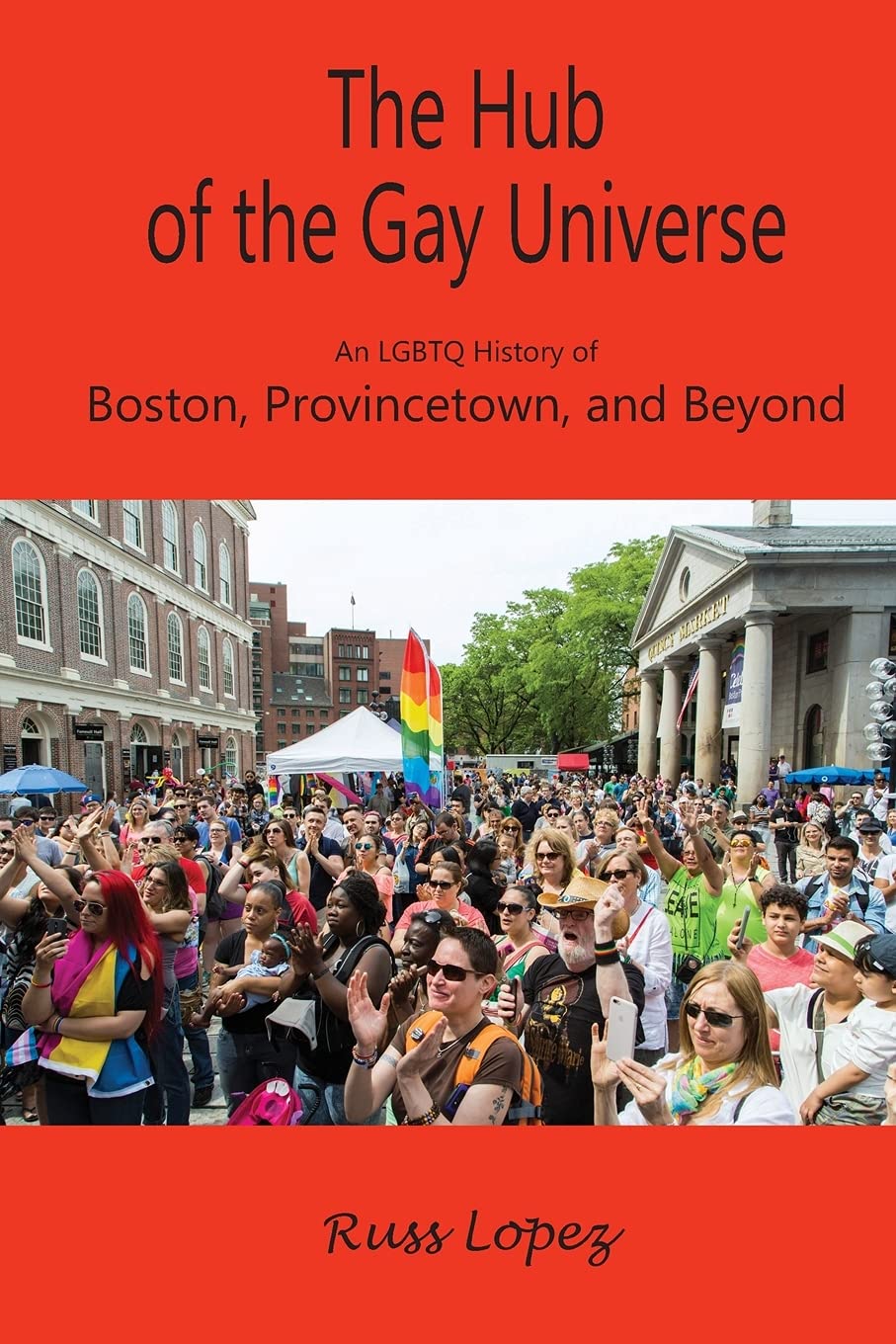
As highlighted by historian Russ Lopez in The Hub of the Gay Universe: An LGBTQ History of Boston, Provincetown, and Beyond (2019), Gibson’s work represents a rare and
early literary examination of LGBTQ themes and gender non-conformity in 19th-century American culture.
References:
Other references:
- https://commons.wikimedia.org/wiki/Category:Thomas_Russell_Sullivan
- https://bostonathenaeum.org/news/thomas-russell-sullivan/
- https://en.wikipedia.org/wiki/Thomas_Russell_Sullivan
- https://vermonthistory.org/journal/83/VHS8302Book%20Reviews.pdf
Support this project
This website is a passion project researched, developed, and funded entirely by me. If you find the content valuable and would like to help support the ongoing research and hosting costs, any contribution is deeply appreciated.
Thank you for keeping this independent resource alive!
My books on Amazon: Elisa Rolle's books
BACK TO HOME PAGE