Queer Places:
St Margaret Churchyard, Lowestoft Rd, Hopton, Great Yarmouth NR31 9ES, United Kingdom
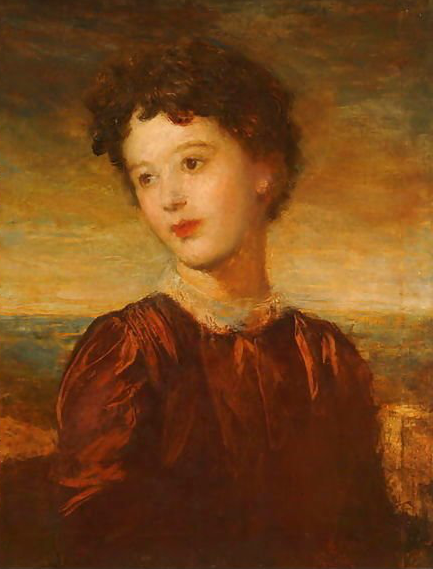 Laura Troubridge (born Laura Elizabeth Rachel Gurney, later Lady Hope; September 16, 1858 – March 15, 1929) was an English diarist, artist, and author whose surviving
journals offer a vivid, intimate window into Victorian upper-class family life, girlhood, and social conventions.
Laura Troubridge (born Laura Elizabeth Rachel Gurney, later Lady Hope; September 16, 1858 – March 15, 1929) was an English diarist, artist, and author whose surviving
journals offer a vivid, intimate window into Victorian upper-class family life, girlhood, and social conventions.
Born in 1853, Laura experienced a major life upheaval in October 1867 when she and her siblings lost both parents within a few weeks of each other. Following this
tragedy, she and her brothers and sisters went to live at the expansive North Runcton Hall in Norfolk with their wealthy grandfather, the banker and naturalist Daniel
Gurney (1791–1880).
Laura's adolescence and young adulthood at North Runcton were meticulously documented in her personal diaries and sketchbooks. These writings—alongside her later
memoirs—were eventually edited by her daughter, Jaqueline Hope-Nicholson, and published under the title Life Amongst the Troubridges: Journals of a Young Victorian
1873–1884.
Moving fluidly in artistic and aristocratic circles, Laura became a professional artist known for her portraits of royal children and illustrations for children's
literature (such as the works of Mrs. Molesworth). Later in life, she also established herself as a novelist, publishing fiction under her married name starting in the late
1890s (such as Paul's Stepmother and The Woman Thou Gavest).
She married into the prominent Hope family (becoming Lady Hope through her marriage to Sir Adrian Hope), successfully balancing a fashionable late-Victorian public life
with her creative pursuits. She died in 1929.
The comparison between Laura Troubridge's youthful writings in the 1860s/1870s and Anne Lister—the famous diarist of Shibden Hall often dubbed the "first
modern lesbian"—illuminates shifting historical perspectives on female non-conformity, gender performance, and sexual autonomy.
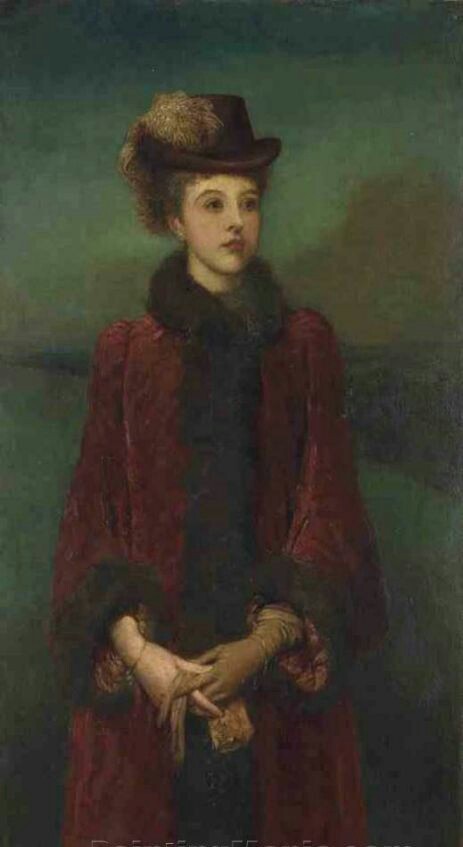
Laura Gurney, Lady Troubridge by George Frederic Watts
Troubridge’s diaries reveal a vibrant, irreverent subversion of rigid Victorian expectations regarding young women. Her youthful fascination with behaviors typically
cordoned off as male—such as smoking, cross-dressing, frank discussions of bodily changes during adolescence, and playful experimentation with courtship—highlights an
active, boisterous physical agency.
Just as Anne Lister’s diaries from decades prior detailed uninhibited romantic and sexual seductions of women across European and English backdrops without modern
medicalized labels of "homosexuality," Troubridge’s adolescent writings capture a pre-panopticon space. In this era, expressions of gender transgression and intense female
homosocial or homoerotic play could occasionally be absorbed, excused, or overlooked as youthful "eccentricities" or high-spirited tomboyism before sexology rigidly codified
lesbian identities at the fin de siècle.
It is also worth noting a fascinating genealogical footnote: Laura Troubridge's extended family tree intersects directly with later 20th-century lesbian history.
Una Troubridge (born Margot Taylor, partner to the pioneering author
Radclyffe Hall of The Well of Loneliness fame) married into the very same Troubridge baronetcy family, binding the name
permanently to milestones in British LGBTQ+ history.
References:
Other references:
- Troubridge, Laura (Lady Hope). Life Amongst the Troubridges: Journals of a Young Victorian 1873–1884. Edited by Jaqueline Hope-Nicholson. London: Tite Street Press, 1999.
- Lancaster, Marie-Jaqueline, ed. Letters of Engagement. (Sequel correspondence between Laura Troubridge and Adrian Hope).
- Lister, Anne. The Diaries of Anne Lister (historical context regarding Regency and early Victorian diarist and lesbian history, 1791–1840).
- Peerage and genealogical records concerning the Troubridge baronetcy family, including connections involving Una Troubridge and Radclyffe Hall.
Support this project
This website is a passion project researched, developed, and funded entirely by me. If you find the content valuable and would like to help support the ongoing research and hosting costs, any contribution is deeply appreciated.
Thank you for keeping this independent resource alive!
My books on Amazon: Elisa Rolle's books
BACK TO HOME PAGE
