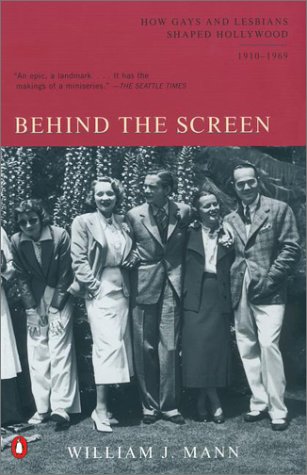
Queer Places:
Gilbert Hotel, 1550 Wilcox Ave, Los Angeles, CA 90028, USA
Valhalla Memorial Park, 10621 Victory Blvd, North Hollywood, CA 91606, United States
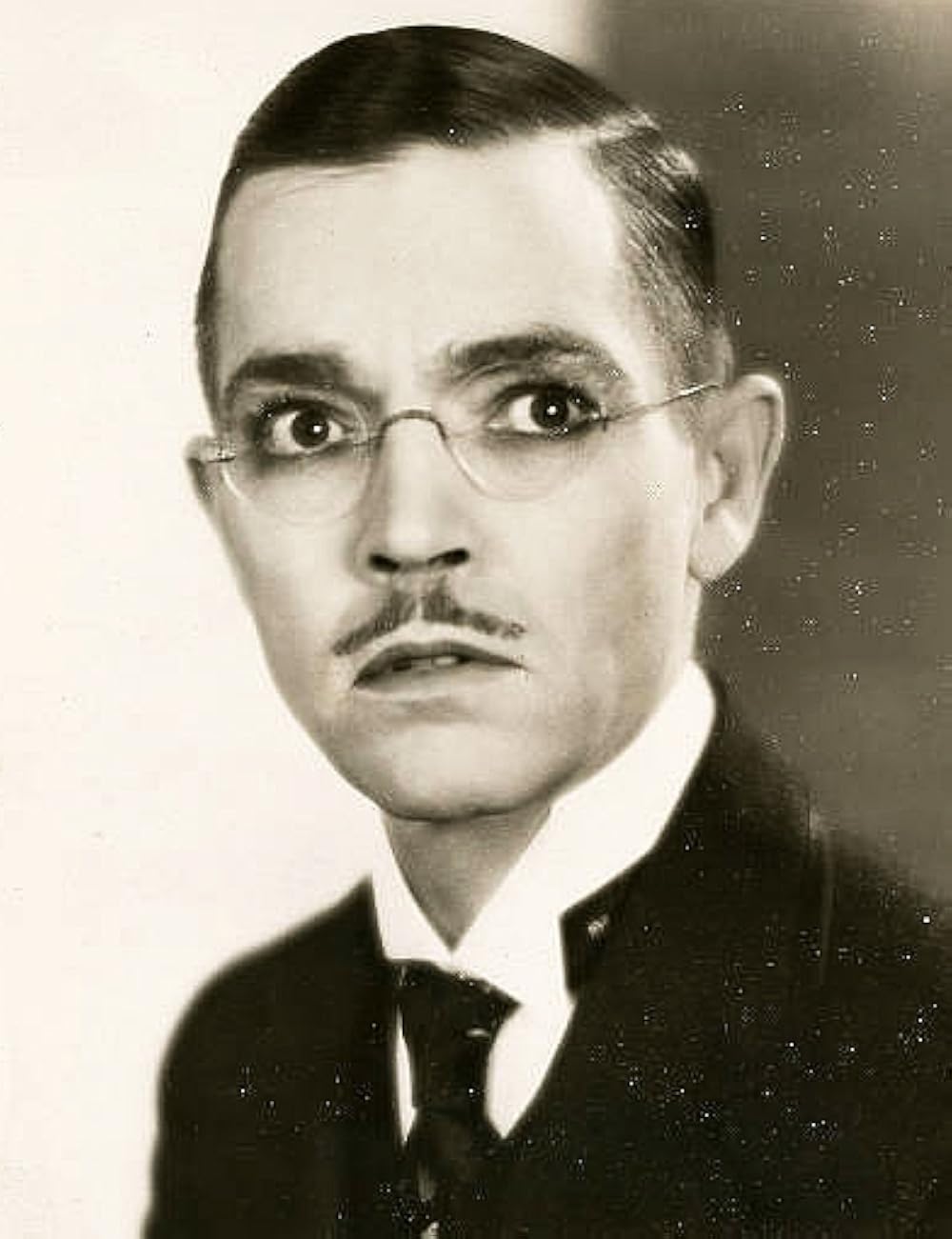 Johnny Arthur, born John Lennox Arthur Long (May 20, 1883 – December 31, 1951) on May 20, 1883, in Scottdale, Pennsylvania, was an American stage,
vaudeville, and motion picture actor whose career spanned over five decades across silent cinema, early talkies, radio, and theatre.
Born to John William Long and Matilda Hertzog Long, Arthur launched his performance career as a teenager. Before transitioning to motion pictures, he
spent twenty-five years sharpening his craft across vaudeville stages and English music halls.
Arthur made his feature screen debut in the 1923 film The Unknown Purple. During the silent film era, his mild and versatile screen presence allowed
him to portray unconventional roles, including the romantic lead opposite Lon Chaney in the 1925 horror-comedy The Monster. With the advent of sound in
the late 1920s, Arthur transitioned into a recognizable comedic character actor. During the pre-Code era of Hollywood (1929–1934), he specialized in
playing flamboyant, effeminate, or overtly "pansy" archetypes—stereotypical depictions that served as rare, explicit representations of queer coded or
homosexual identities in mainstream American cinema at the time. Prominent examples of these early sound roles included performances in The Desert Song
(1929), She Couldn't Say No (1930), Penrod and Sam (1931), and The Ghost Walks (1934).
Following the strict enforcement of the Motion Picture Production Code on July 1, 1934, Hollywood censors banned the direct or explicit portrayal of
homosexuality onscreen. Consequently, Arthur was forced to adapt his comedic persona, shifting from openly "pansy" caricatures to more subdued, timid,
worried, or overly fussy character types. He maintained steady work throughout the 1930s and 1940s in both low-budget genre films—such as Ellis Island
and Danger on the Air—and high-profile features including Crime and Punishment and Road to Singapore. Today, Arthur is particularly remembered for his
recurring roles in Hal Roach's Our Gang comedy shorts, playing Spanky's father in Anniversary Trouble (1934) and Darla Hood's father in Night 'N' Gales
(1937) and Feed 'Em and Weep (1938). He also appeared as Japanese caricatures in World War II propaganda features, including Roach's That Nazty Nuisance
(1942) and Republic Pictures' serial The Masked Marvel (1943).
Despite his decades of industry contributions, Arthur experienced severe health issues and financial hardship in his later years, largely due to his
unsparing generosity toward out-of-work colleagues. Industry trade reports, including Variety, noted that he spent much of his personal savings
purchasing meals for hungry actors and supporting friends in dire circumstances, leaving himself virtually destitute. By the mid-1940s, his acting offers
had dwindled, forcing him to work on the kitchen staff and reside at the Gilbert Hotel in downtown Los Angeles. In December 1946, the
sixty-three-year-old actor suffered a medical crisis and was found comatose in his room by a hotel colleague. His hospitalization at Cedars of Lebanon
and a subsequent public plea by gossip columnist Louella Parsons brought attention to his plight, leading radio producer Larry Finley to sign Arthur to a
52-week contract for the syndicated series Diary of Fate.
Arthur continued acting through the late 1940s and early 1950s, returning to the stage in the Norman Krasna and Groucho Marx play April Fool and
taking minor bit parts in film and radio. His final screen appearance was in the 1951 drama I Want You. Johnny Arthur died on December 31, 1951, at the
age of 68 at the Motion Picture Country Hospital in Woodland Hills, California. He was interred at the expense of the Motion Picture Fund in an unmarked
grave at Valhalla Memorial Park Cemetery in North Hollywood, where he rested quietly for sixty years until November 2012, when fans and historical
organizations raised the necessary funds to erect a headstone in his honor.
References:
Other references:
- Daily Variety (December 18, 1946) — Reports on Arthur's health crisis, hospitalization at Cedars of Lebanon, and discovery at the Gilbert Hotel.
- Louella Parsons Syndicated Column (September 19, 1947) — Published appeal highlighting Arthur's financial difficulties and work on hotel kitchen staff, leading to radio employment offers.
- The Hollywood Reporter (September 24, 1947) — Details his 52-week radio contract for Diary of Fate with producer Larry Finley.
- Los Angeles Times (August 31, 1948) — Review and coverage by Philip K. Scheuer regarding Arthur's return to the stage in the Norman Krasna and Groucho Marx play April Fool (Time for Elizabeth).
- Variety (January 4, 1950) — Column by Mike Connolly noting Arthur's continued active radio and film work in Los Angeles.
- Variety (January 3, 1952) — Obituary covering his passing at the Motion Picture Country Hospital, detailing his extensive charity work buying meals for impoverished actors.
- The Motion Picture Production Code of 1930 / Hays Code (Enforced July 1, 1934) — Key regulatory standard documenting the censorship and removal of "pansy" and overtly homosexual archetypes from mainstream Hollywood films.
- Hal Roach Studios Archives & Our Gang Filmography — Production credits documenting Arthur's roles as Spanky's father in Anniversary Trouble (1934) and Darla Hood's father in Night 'N' Gales (1937) and Feed 'Em and Weep (1938).
- Christie Film Company / Educational Pictures Catalog (Late 1920s) — Archives covering Arthur's two-reel comedy starring vehicles.
- The Monster (1925, Metro-Goldwyn-Mayer) — Feature credits establishing his performance as the romantic lead opposite Lon Chaney.
- United States Federal Census Records (1890–1950) — Westmoreland County, Pennsylvania, and Los Angeles County, California records documenting birth name John Lennox Arthur Long and parentage (John William Long and Matilda Hertzog Long).
- Find a Grave & Valhalla Memorial Park Records (Memorial #89582531) — Tombstone, interment, and memorial documentation created following the November 2012 gravestone dedication led by the Friends of Dearly Departed Tours and Findadeath.com.
- Motion Picture & Television Fund (MPTF) Burial & Relief Records (1951) — Archival records for services provided at the Motion Picture Country Hospital and Valhalla Memorial Park Cemetery.
- Travalanche / Stars of Slapstick (May 20, 2016) — Biographical retrospective by Trav S.D. examining Arthur's stage roots, pre-Code queer coding, and career transition.
- Greenbriar Picture Shows (April 2021) — Film history essay analyzing Arthur's career trajectory, hotel period, and pre-Code performance style.
- Internet Movie Database (IMDb) — Screen credits and production metadata for film releases from 1923 (The Unknown Purple) to 1951 (I Want You).
Support this project
This website is a passion project researched, developed, and funded entirely by me. If you find the content valuable and would like to help support the ongoing research and hosting costs, any contribution is deeply appreciated.
Thank you for keeping this independent resource alive!
My books on Amazon: Elisa Rolle's books
BACK TO HOME PAGE