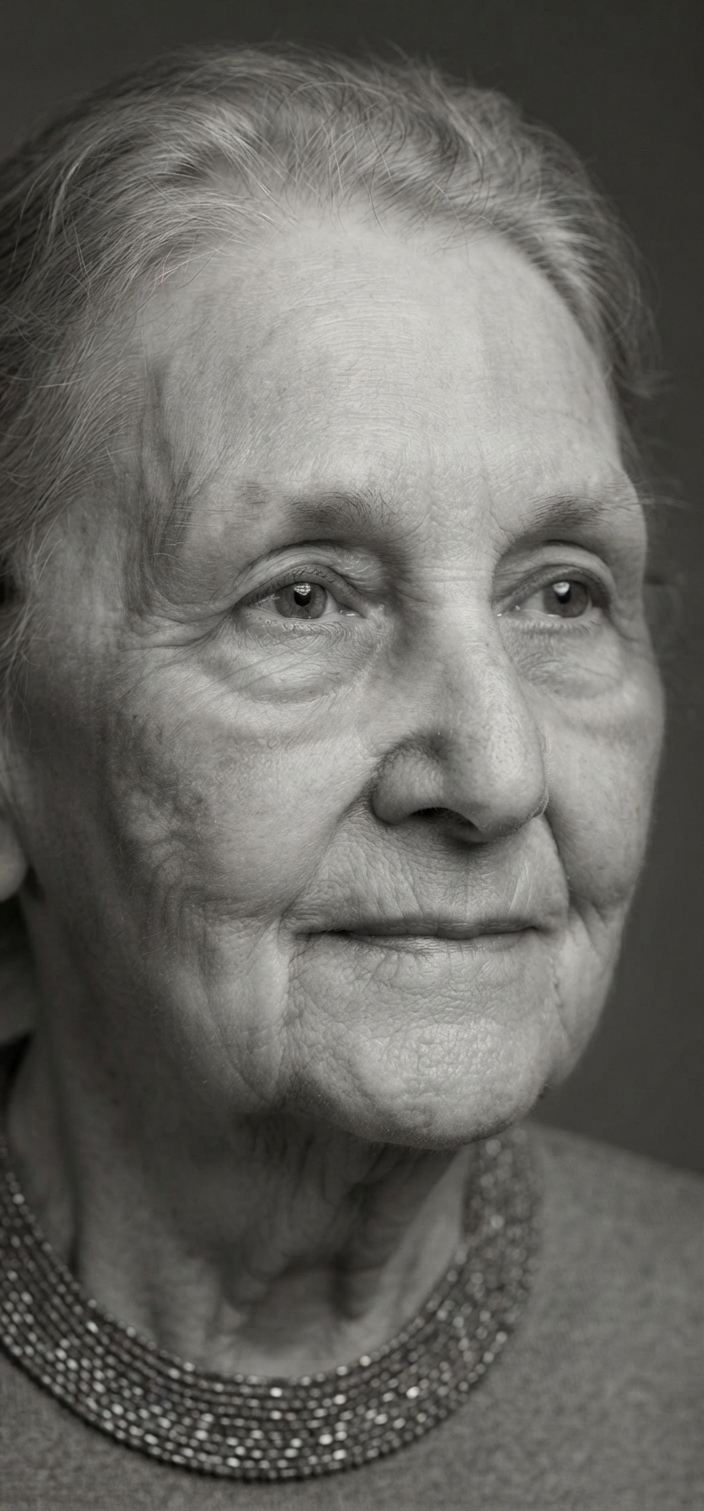
 Alice Schmidt Griffith (February 12, 1865 – February 22, 1959) was a celebrated American social welfare pioneer, housing reformer, and civic leader
widely remembered as the "First Lady of Housing in California."
Alice Schmidt Griffith (February 12, 1865 – February 22, 1959) was a celebrated American social welfare pioneer, housing reformer, and civic leader
widely remembered as the "First Lady of Housing in California."Partner Elizabeth Haywood Ashe
Queer Places:
2820 Pacific Ave, San Francisco, CA 94115, USA
Hill Farm, 3125 Sir Francis Drake Blvd, Fairfax, CA 94930
1810 Jackson St, San Francisco, CA 94109, USA
Mount Tamalpais Cemetery, 2500 Fifth Ave, San Rafael, CA 94901, United States
Alice Schmidt Griffith (February 12, 1865 – February 22, 1959) was a celebrated American social welfare pioneer, housing reformer, and civic leader
widely remembered as the "First Lady of Housing in California."
Born in San Francisco, California, she came from a well-to-do Rincon Hill family with deep roots in the city's growth. Her father, Captain Millen Griffith (1827–1896), arrived in San Francisco in 1849 during the gold rush and successfully established a tugboat business that amassed a family fortune, while her mother was Jane Maria "Jennie" Lord Griffith (1831–1896). Alice grew up alongside her siblings: Millen Griffith Jr. (1854–1877), Edwin Lord Griffith (1856–1902), Louisa Augusta Griffith (1859–1874), Caroline Lord Griffith (1861–1913), and Charles Lord Griffith (1863–1926).
Displaying a lifelong dedication to the well-being of San Francisco citizens, Griffith emerged as a powerful force for social reform. In 1902, alongside her lifelong partner and collaborator Elizabeth Haywood Ashe, she co-founded the Telegraph Hill Neighborhood House, which became San Francisco's very first settlement house. Serving for decades as the chairman of the board of the Telegraph Hill Neighborhood Association and Center, Griffith dedicated herself to improving the lives of the city's immigrant and working-class populations. Her civic vision also laid foundational stones for other major institutions; she helped establish the Visiting Nurses Association—serving as a director for many years to watch over the ill and aged—and was instrumental in founding the city's Community Chest, the Bothin Convalescent Home (Hill Farm) in Marin County, Garden Hospital, and San Francisco's first tuberculosis examination center, the Arequipa Sanitarium.
The devastation of the 1906 San Francisco earthquake and fire profoundly shaped her life's trajectory, alerting her to the severe inadequacies of flimsy shelters and the dangers of cheap, unsanitary housing construction. Though her initial efforts to establish the San Francisco Housing Association faced hurdles, she revived the organization during the Great Depression years of 1936 and 1937 to aggressively battle for better living conditions. Her exhaustive surveys of the city's underprivileged living conditions led directly to the construction of three low-cost housing projects. In recognition of her tireless advocacy, she was officially appointed a member of the San Francisco Housing Commission in 1938 and received the formal title "First Lady of Housing in California" in October 1958 at a national convention of redevelopment and housing officials. Furthermore, her early work with the Telegraph Hill Neighborhood Association indirectly helped birth San Francisco's public playground system after suggesting the city's first playground in North Beach.
Alice Griffith maintained close connections throughout the Bay Area, living at residential landmarks such as 2820 Pacific Avenue and later 1810 Jackson Street in San Francisco. She shared her life, home, and numerous philanthropic missions with Elizabeth Haywood Ashe, with whom she also lived at Hill Farm. Following a brief illness, Alice Griffith passed away at the age of 94 on February 22, 1959, at her Jackson Street home. Her funeral services were held at Trinity Episcopal Church, and she was laid to rest at Mount Tamalpais Cemetery in San Rafael, Marin County, California. Her nearly $1,000,000 estate was distributed among her relatives, Trinity Episcopal Church, and the San Francisco Foundation.
Alice Griffith and Elizabeth Haywood Ashe shared a profound, decades-long domestic, personal, and professional partnership. Living together across San Francisco and at Hill Farm, the two women formed an autonomous, collaborative household while spearheading the city's most critical public health, housing, and social welfare movements. Within the framework of women's history and early queer history, such enduring, lifelong domestic alliances between women—frequently characterized historically as "Boston marriages"—are recognized by historians as vital spaces of independence, mutual devotion, and shared public leadership forged outside the boundaries of traditional heterosexual marriage.
References:
Support this project
This website is a passion project researched, developed, and funded entirely by me. If you find the content valuable and would like to help support the ongoing research and hosting costs, any contribution is deeply appreciated.
Thank you for keeping this independent resource alive!
My books on Amazon: Elisa Rolle's books