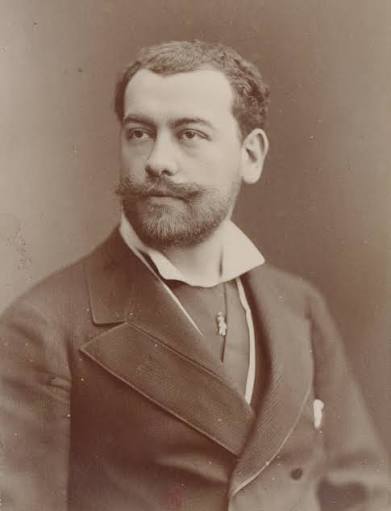
 Victor Maurel (born June 17, 1848, in Marseille, France – died October 22, 1923, in New York City) was an acclaimed French operatic baritone renowned for his dramatic
presence, exceptional acting skills, and vocal artistry.
Victor Maurel (born June 17, 1848, in Marseille, France – died October 22, 1923, in New York City) was an acclaimed French operatic baritone renowned for his dramatic
presence, exceptional acting skills, and vocal artistry.Wife Fred de Grésac
Queer Places:
Woodlawn Cemetery, 4199 Webster Avenue, Bronx, New York 10470 United States
Victor Maurel (born June 17, 1848, in Marseille, France – died October 22, 1923, in New York City) was an acclaimed French operatic baritone renowned for his dramatic
presence, exceptional acting skills, and vocal artistry.
Educated in voice and stagecraft at the Paris Conservatory, he made his professional opera debut in Marseille in 1867.
Maurel earned an international reputation across Europe and the United States. Giuseppe Verdi personally chose Maurel to create two iconic baritone roles in their premieres at La Scala in Milan: Iago in Otello (1887) and Falstaff in the title role of Falstaff (1893).
In 1892, Maurel also created the role of Tonio in the premiere of Ruggero Leoncavallo's Pagliacci.
After retiring from the operatic stage, Maurel taught singing in Paris and eventually settled in New York City, where he passed away in 1923.
While Victor Maurel himself maintained a traditional profile as a grand opera star of the 19th and early 20th centuries, his prominent LGBTQ link comes through his marriage to French playwright, librettist, and screenwriter Fred de Grésac (born Frédérique Rosine de Grésac).
Frédérique Rosine de Grésac married Victor Maurel and remained married to him until his death in New York in 1923.
Early in her career as a journalist and playwright in France and the U.S., she adopted the professional name "Fred de Gresac" to write under a masculine persona. She went on to author or co-author over 100 plays, librettos, and film scripts (including La Bohème and The Son of the Sheik).
After Maurel’s death in 1923, Fred de Grésac moved to Los Angeles to work in the burgeoning film industry at Metro-Goldwyn-Mayer (MGM).
She was known in early Hollywood social circles as an openly lesbian figure.
She adopted a distinctly masculine style of dress, characterized by cropped, short red hair, tailored trousers, men's dress shirts, and ties.
Contemporaries and film history literature (such as William J. Mann's Behind the Screen: How Gays and Lesbians Shaped Hollywood) document her romantic pursuits and links within early Hollywood's lesbian community.
References:
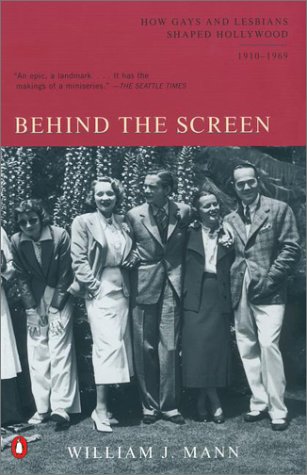 Behind the Screen: How Gays and Lesbians Shaped Hollywood, 1910-1969 Paperback – October 29, 2002 by William J. Mann |
Other references:
Support this project
This website is a passion project researched, developed, and funded entirely by me. If you find the content valuable and would like to help support the ongoing research and hosting costs, any contribution is deeply appreciated.
Thank you for keeping this independent resource alive!
My books on Amazon: Elisa Rolle's books