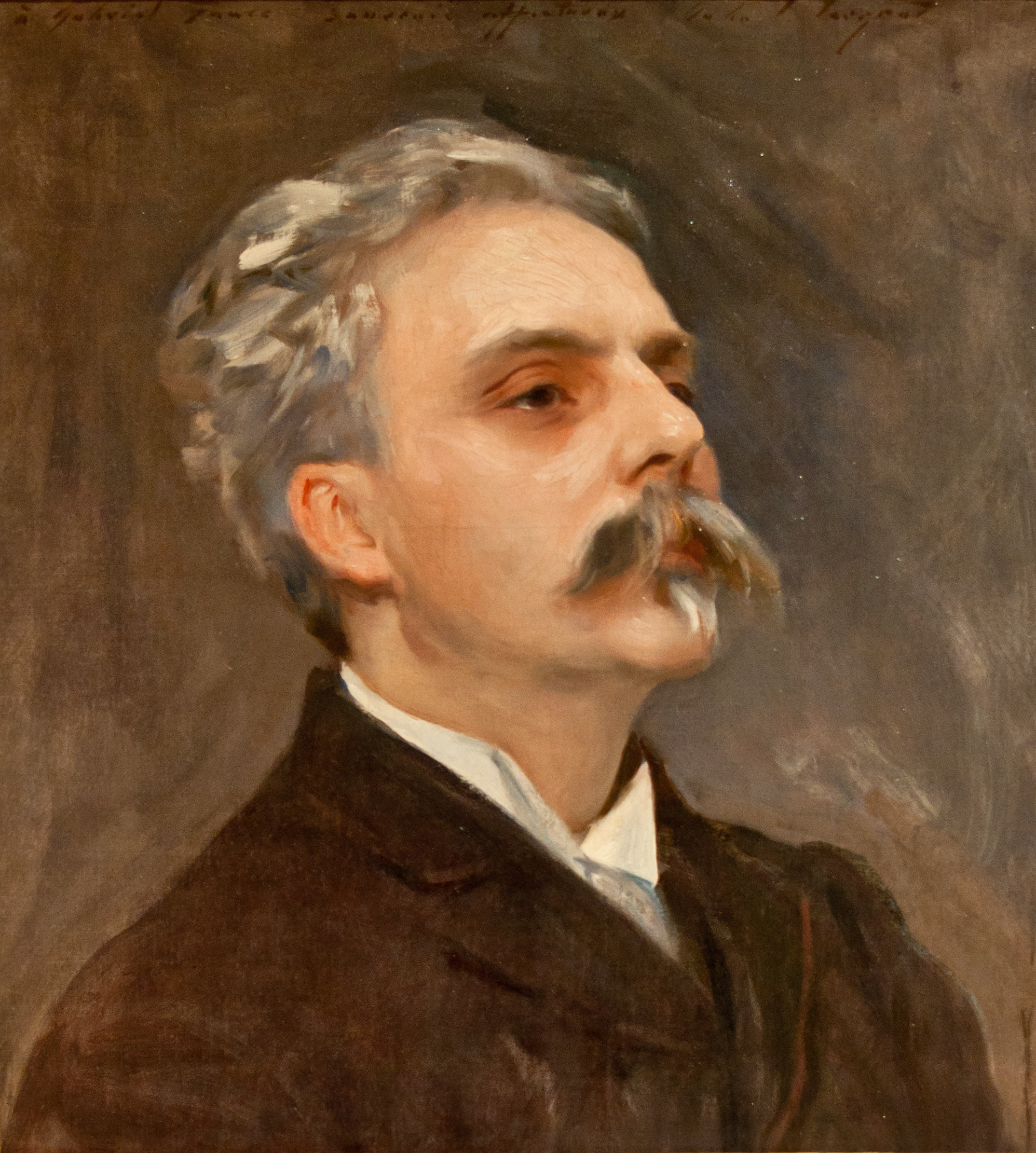
 Gabriel Fauré (May 12, 1845 - November 4, 1924) was a preeminent French composer, pianist, and teacher, celebrated for his refined, harmonically innovative, and influential
contributions to late 19th and early 20th-century music.
Gabriel Fauré (May 12, 1845 - November 4, 1924) was a preeminent French composer, pianist, and teacher, celebrated for his refined, harmonically innovative, and influential
contributions to late 19th and early 20th-century music.Queer Places:
Passy Cemetery, 2 Rue du Commandant Schloesing, 75016 Paris, France
Gabriel Fauré (May 12, 1845 - November 4, 1924) was a preeminent French composer, pianist, and teacher, celebrated for his refined, harmonically innovative, and influential
contributions to late 19th and early 20th-century music.
Born in Pamiers, France, Fauré exhibited musical talent early and was sent to the École Niedermeyer in Paris at age nine, where he was trained as a church organist and choirmaster. His career spanned several significant roles, including organist at the Église de la Madeleine and director of the Paris Conservatoire (1905–1920).
His legacy is marked by a style that bridged the gap between late Romanticism and 20th-century modernism. Key works include his Requiem, numerous art songs (mélodies), and evocative pieces for solo piano—such as his nocturnes and barcarolles—which remain central to the classical repertoire. Despite grappling with hearing loss in his later years, he remained a highly influential mentor to composers like Maurice Ravel and Nadia Boulanger.
The association between Fauré and the American painter John Singer Sargent was one of mutual admiration and artistic friendship. Sargent, a lifelong devotee of Fauré’s music, met the composer in Paris and later championed his work in London, even hosting studio concerts featuring Fauré’s compositions. Between 1889 and 1898, Sargent created four portraits of Fauré, cementing their professional and personal bond.
Regarding the broader historical context of LGBTQ+ history in music, scholarly discussions often examine the personal lives of composers through the lens of their era's social norms. While some of Fauré's contemporaries, such as Léon Delafosse (a pianist and friend of both Fauré and Sargent), are often discussed in the context of their sexual orientation, historical evidence regarding Fauré generally centers on his well-documented heterosexual relationships, including a notable period with the composer Adela Maddison. Unlike other composers of the period for whom there is substantial evidence of same-sex attraction, Fauré is typically not categorized as an LGBTQ figure by historians.
Sargent’s generosity toward various keyboard virtuosos—including Fauré and the openly gay pianist Léon Delafosse—reflects his broad social circle within the artistic elite of the time, rather than a specific pattern centered on sexual orientation.
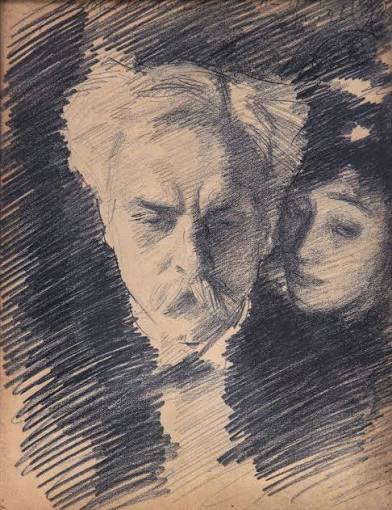
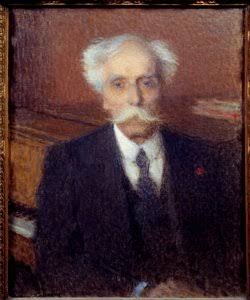
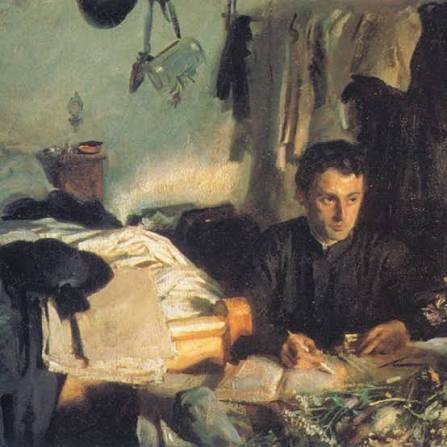
by John Singer Sargent
References:
 Henry James and Queer Filiation: Hardened Bachelors of the Edwardian Era 1st ed. 2018 Edition by Michael Anesko |
Other references:
Support this project
This website is a passion project researched, developed, and funded entirely by me. If you find the content valuable and would like to help support the ongoing research and hosting costs, any contribution is deeply appreciated.
Thank you for keeping this independent resource alive!
My books on Amazon: Elisa Rolle's books